
WAMP Server 2.0 comes with openssl so we need to create a self signing SSL certificate first before we touch WAMP
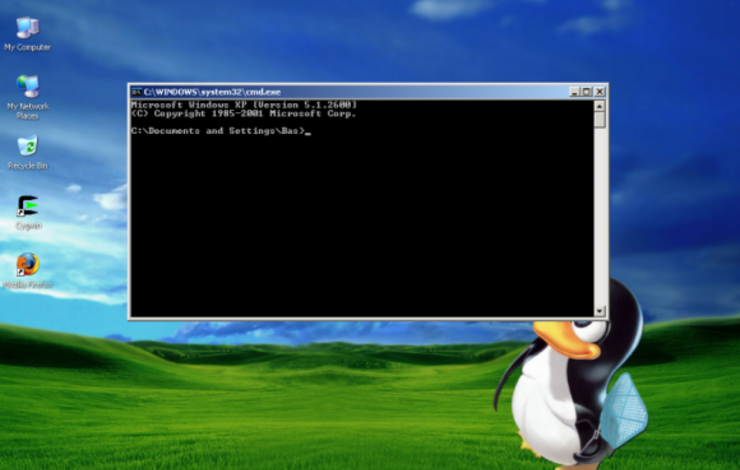
First you need a DOS box and to locate your openssl.exe. Mine is located here:
C:\\wamp\\bin\\apache\\apache2.2.6\\bin\\openssl.exe

Jump into that directory

cd c:\\wamp\\bin\\apache\\apache2.2.6\\bin
Generate a Private Key and CSR
First you need to generate an RSA Private Key and Certificate Signing Request (CSR)
openssl genrsa -des3 -out myserver.key 1024
This command will ask you to enter a pass phrase. Enter and confirm it
Next, we need to remove the pas phrase from the key to that the server does pause to request it.. which would be a bit annoying !
openssl rsa -in myserver.key -out myserver.pem
Now that we've created the private key, we need to generate the CSR like so:
openssl req -new -key myserver.key -out myserver.csr
If you get errors about a missing conf file you can add the following option:
-config c:\\wamp\\bin\\apache\\apache2.2.6\\conf\\openssl.cnf
Here's how the above process will look like
C:\\wamp\\bin\\apache\\apache2.2.6\\bin>openssl req -new -key myserver.key -out myserver.csr
Enter pass phrase for myserver.key:
You are about to be asked to enter information that will be incorporated
into your certificate request.
What you are about to enter is what is called a Distinguished Name or a DN.
There are quite a few fields but you can leave some blank
For some fields there will be a default value,
If you enter '.', the field will be left blank.
-----
Country Name (2 letter code) [AU]:
State or Province Name (full name) [Some-State]:NSW
Locality Name (eg, city) []:Crows Nest
Organization Name (eg, company) [Internet Widgits Pty Ltd]:Neubreed Design Pty Ltd
Organizational Unit Name (eg, section) []:
Common Name (eg, YOUR name) []:neubreed.localhost
Email Address []:

Please enter the following 'extra' attributes
to be sent with your certificate request
A challenge password []:
An optional company name []:
NOTE: make sure "Common Name (eg, YOUR name)" is your host name for the VirtualHost eg . mylocalhost
Generating a Self-Signed Certificate
To generate a temporary certificate which is good for 365 days, use the following command:
openssl x509 -req -days 365 -in myserver.csr -signkey myserver.key -out myserver.crt
Create an directory under: C:\\wamp\\bin\\apache\\apache2.2.6\\conf\\ssl and move the myserver.key and myserver.cert into it.
Configure Apache to use SSL
Edit the http.conf file via WAMPs menu or directly here: C:\\wamp\\bin\\apache\\apache2.2.6\\conf\\httpd.cnf
Locate the line
Listen 80
And make it also listem on the standard ssl port 443
Listen 80
Listen 443
Now create a new virtual host like so (in addition to any normal port 80 entries):
This has a complete symfony setup up too FYI
<VirtualHost *:443>
  ServerName neubreed.localhost
  DocumentRoot "/home/neubreed/web"
  DirectoryIndex index.php

  Alias /sf c:\\wamp\\bin\\php\\php5.2.5/PEAR/data/symfony/web/sf
  <Directory "c:\\wamp\\bin\\php\\php5.2.5\\PEAR/data/symfony/web/sf">
    AllowOverride All
    Allow from All
  </Directory>

  <Directory "/home/neubreed/web">
    AllowOverride All
    Allow from All
  </Directory>
  # These are the actual SSL directives needed to get it all working!
  SSLEngine on
  SSLCertificateFile C:/wamp/bin/apache/apache2.2.6/conf/ssl/myserver.crt
  SSLCertificateKeyFile C:/wamp/bin/apache/apache2.2.6/conf/ssl/myserver.pem
</VirtualHost>
Finally click the WAMP Systray icon and navigate to the apache modules menu and make sure there's a tick next to ssl_module
This will enable the line below in httpd.conf
LoadModule ssl_module modules/mod_ssl.so
Apache will restart and you should be able to browse to https://yourlocalhost
Post replies if you get stuck!
Comments
Hello Ryan, Congratulations
Hello Ryan, Congratulations for your post !
It work's very well for me.
Thank you.
Hello Ryan, Congratulations
Hello Ryan, Congratulations for your post !
It work's very well for me.
Thank you.
Where do you add the
Where do you add the Virtual:443
Right below where you added
Right below where you added Listen 443.
Thanks for this article, Ryan! Works great!
plz.. tell me hwo can i make
plz.. tell me
hwo can i make a virtual host...
i cant understand..
guide me..
urgently thanks
Hi, Thanks for the
Hi,
Thanks for the informative tutorial.
I can't find openssl.conf (or cnf) in my wamp installation. I tried reinstalling, but its not there. I couldn't locate the file on internet too. Any idea where to get it from?
Though I strongly feel that with so much to do for enabling ssl, I think it should be automated with some tool or probably made a part of wamp installation as an option. Do you know of any such tool or option?
Thanks,
Mukesh
Hi It is not
Hi
It is not working...
certificate is generated. But i think these lines are getting problem:
ServerName neubreed.localhost
DocumentRoot "/home/neubreed/web"
DirectoryIndex index.php
Alias /sf c:\\wamp\\bin\\php\\php5.2.5/PEAR/data/symfony/web/sf
AllowOverride All
Allow from All
AllowOverride All
Allow from All
# These are the actual SSL directives needed to get it all working!
SSLEngine on
SSLCertificateFile C:/wamp/bin/apache/apache2.2.6/conf/ssl/myserver.crt
SSLCertificateKeyFile C:/wamp/bin/apache/apache2.2.6/conf/ssl/myserver.pem
please can u explain these
thank u.
I managed to locate
I managed to locate openssl.conf by downloading something called wampssl from http://downloads.jlbn.net/WampSSL.html . I got the reference from http://www.wampserver.com/phorum/read.php?2,32986,printview,page=5
Maybe you can have a thing or two about this in your tutorial.
Also, after this my agony was not over. My Apache won't start with following error:
Init: SSLPassPhraseDialog builtin is not supported on Win32
I found solution for this on http://www.entrust.net/knowledge-base/technote.cfm?tn=6558
Even now my pains were not over. When I entered https://localhost in my browser it complained something like certificate is not correct or some such. But then it gave me an option to add an exception so I did. Not sure if that was right thing to do.
But now I am getting a "Forbidden" error. "You don't have permissions to access index.php on this server".
I am tired now. Please enlighten me if you know of any solution to this problem.
I hate these tech things. Nothing goes right in one shot.
It was really good until the
It was really good until the last part. Why everybody always end up a little too early. Like, you don't explain at all about virtual hosts. And are you sure this is right SSLCertificateKeyFile C:/wamp/bin/apache/apache2.2.6/conf/ssl/myserver.pem? Doesn't have to be .key file instead of .pem? I'm confused. Please next time pay attention to little things like that. This could have been a really good if it would have been ended up with care. Anyway you helped me alot to go forward but I still have to keep searching how to set up virtual hosts.
Hi Ryan I'm battling with
Hi Ryan
I'm battling with this.
I go with dos to the bin directory where openssl.exe is located.
I type in the command "openssl genrsa -des3 -out myserver.key 1024"
But it then errors out with the following.
4240:error:02001015:system library:fopen:Is a directory:.crypto\bio\bss_file.c:126:fopen('d:/test/openssl1098kvc6/openssl.cnf','rb')
and another long 4240: error
I've never done it before so would like some help with this please.
I can follow your steps but need to get pass this error.
Jacques
Worked great. Thanks for
Worked great. Thanks for that. Only problem I had was Skype listening on port 443 so had to close Skype to get apache running.